When I walk into a primary school and see rows of kids with wide eyes and open hearts, I remember what it felt like to be that young; curious, hopeful, and already facing pressures I didn’t yet understand. The truth is, the biggest challenges many of them will ever face are already forming. Peer pressure, questions of self-worth, and even early mental health struggles don’t wait until high school or college; they start right here. That’s why speaking to kids at this age matters so much.
Tony Hoffman knows this firsthand. After years of sharing his story with students across the country, he’s seen how a single message can change the direction of a young person’s life. Kids are sponges. They’re forming their view of the world, their belief in who they are, and what they’re capable of becoming. One honest, powerful story can plant a seed of hope that grows for years.
The Power of Dynamic Speakers in Education
When we talk about inspirational speakers for primary schools, we are not just talking about someone who gives a talk and leaves. We are talking about people who show up with a mission to change the direction of a child’s life. Having motivational speakers engage with students in school can be the spark that helps kids believe they matter, that their choices matter, and that their future is bigger than what they see today.
For younger audiences, the message has to go deeper than just “try hard” or “do your best.” Kids need to see that their struggles are real, that self-belief is possible, and that they have the strength to stand against the challenges they face. The most effective inspirational speakers bring tools like social emotional learning, bullying prevention, and honest conversations about mental health to meet students where they are.
And it is not just about the kids. A strong guest speaker can support teachers, encourage parents, and bring community support to the students. When a keynote speaker or workshop reinforces what is already happening in the school, the result is powerful. The whole environment shifts. Students leave with hope, educators see growth in confidence, and the community feels united in the mission of raising the next generation.
What Makes a Perfect Speaker for Younger Audiences
When I speak to students, I know I’m not just walking into a room full of faces; I’m walking into hundreds of different stories. Every child and teenager carries something unique: questions, fears, dreams, and pain they don’t always know how to express. That’s why the right speaker matters. It’s not about giving a polished speech, but more about meeting students where they are and helping them see what’s possible.
A great youth speaker doesn’t just talk to students; they engage with them. Through energy, authenticity, and interaction, they invite students to reflect, move, and feel. They give realistic and relatable stories, and actionable items like healthy coping skills.
The direction, message, and engagement may shift depending on the age of the audience, such as:
Motivational Speakers for Primary Students
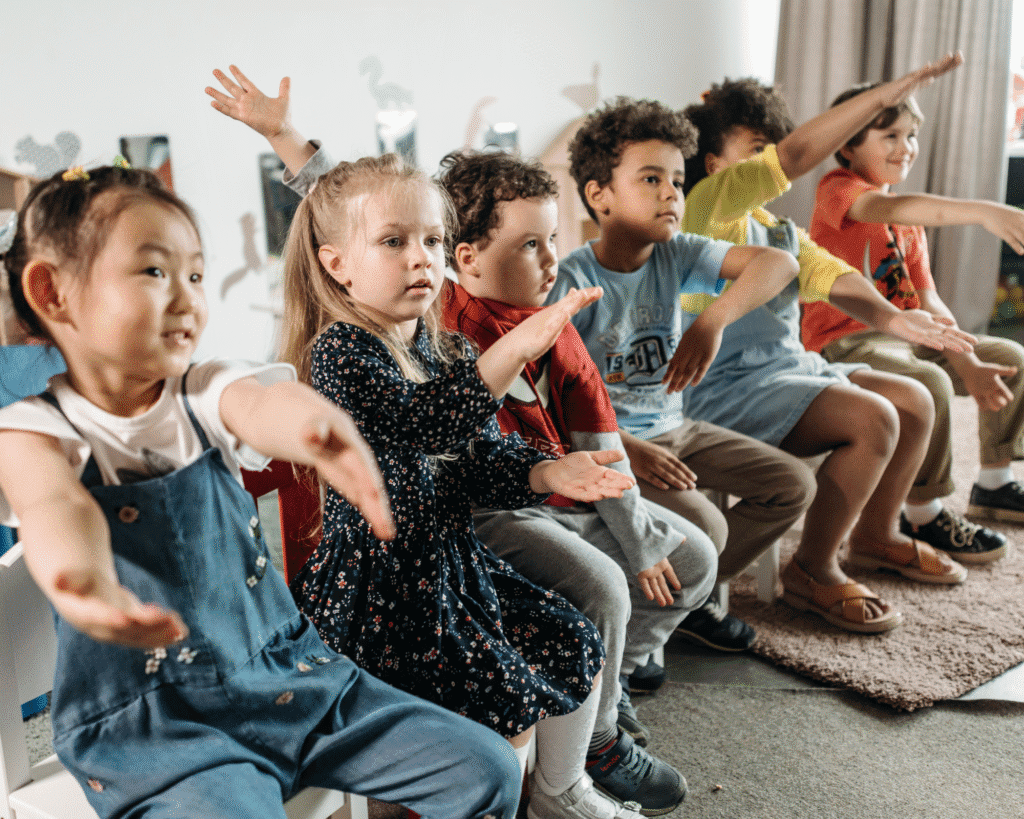
Primary students are at one of the most impressionable stages of life. They’re still forming their beliefs about who they are and what they can achieve. At this age, inspiration has to come through simplicity and storytelling.
Motivational Speakers for Middle School Students
By middle school, the world gets louder. Peer pressure, comparison, self-doubt, and even early signs of substance use start to creep in. Students begin wrestling with their identity and sense of belonging. This is when a speaker’s message must go beyond motivation; it must provide tools for resilience.
Motivational Speakers for High School Students
High school students stand at the crossroads of who they are and who they’re becoming. They face pressure from every direction: friends, family, school, social media, and their own expectations. They need speakers who can meet them eye-to-eye, not talk down to them.
The perfect speaker doesn’t just leave behind applause; they leave behind a spark. Students remember how they felt, what they heard, and how it made them believe something new about themselves.
Building Resilience and Self-Worth in Students
One of the greatest gifts motivational speakers can give to kids is the belief that they can overcome their challenges. In every primary school, middle school, and high school, there are students who are fighting battles that no one else sees.
Some are facing bullying. Others are struggling with mental health. Many are just trying to figure out where they belong. The right guest speaker helps them see that their story is not finished and that they have the strength to keep going.
Building resilience is not about pretending the hard stuff is easy. It is about teaching students that setbacks are part of growth. It is about helping them develop the mindset to keep moving forward even when life gets heavy. When a dynamic speaker shares a deeply personal story of failure and recovery, kids begin to see that they, too, can rise above their own struggles.
Along with resilience, self-worth is essential. Too many kids believe the lies that they are not enough, that they will never succeed, or that their future has no purpose. Inspirational speakers for primary schools remind them of their value.
They highlight personal responsibility, kindness, and core principles that give kids the tools to believe in themselves. The goal is not just to motivate for one day but to plant a foundation for a lifetime.

Event Goals and Lasting Impact
Every school assembly or classroom visit needs a clear purpose. The most effective inspirational speakers for primary schools come in with defined event goals. Are we focusing on bullying prevention? Are we encouraging self-belief and confidence? Are we addressing mental health or building a stronger sense of community support? When the goals are clear, the presentation has direction and the results can be measured.
A dynamic speaker does more than just give a talk. They align their engaging message with the needs of the school, the educators, and the students. That alignment creates the kind of student engagement that leads to real positive change. Kids are not just listening. They are responding, reflecting, and carrying those lessons with them into the rest of the school year.
Tony Hoffman approaches every event with that same intentionality. Before stepping onto a stage or into a gym, he takes time to understand the school’s culture, the students’ challenges, and the message they need most. His presentations are built around impact; meeting kids where they are and helping them walk away with tools they can actually use in real life.
When schools choose the perfect speaker, they are not just booking an assembly; they are selecting a valuable resource. They are investing in the future leaders sitting in their classrooms today.
Working With Schools and Communities
For a guest speaker to make the greatest difference, the entire community has to be involved. When teachers, parents, and educators partner with the right speaker, the message carries further than a single presentation. It becomes part of the school culture. Kids begin to see that the lessons from the assembly are reinforced at home, in the classroom, and in their community.
Planning matters too. Schools need to think about the event date, how it fits within the school year, and what the event goals will be. Travel expenses and scheduling should be considered, but the focus should stay on finding the perfect speaker who can deliver an engaging message and connect with students on a personal level.
Workshops, assemblies, and smaller group sessions all work best when they are tied to real needs. If the school is struggling with bullying prevention, bring in someone who has lived through it and can offer a powerful story of hope. If the goal is social-emotional learning or mental health awareness, then choose a dynamic speaker with a deep understanding of those topics.
Why the Right Speaker Makes All the Difference
There are many speakers out there, but not all of them are the right fit for younger audiences. The perfect speaker does more than entertain. They bring a deeply personal story, a unique ability to connect, and a clear vision for meaningful change. Kids can sense when a message is authentic, and that authenticity is what creates a lasting impact.
Inspirational speakers for primary schools must speak with kindness, honesty, and courage. Their speaking style should be both engaging and filled with high energy while still grounded in real-life experiences. That combination helps them deliver a message that students feel, not just hear.
The difference between top motivational speakers who leave a short burst of excitement and the ones who create real transformation is simple. The ones who make a difference connect with students through relatable stories and a powerful story that inspires self-worth, confidence, and the courage to face challenges. That is what makes them a game-changer.
When schools invest in the right keynote speaker or program, they are not just filling an assembly slot. They are shaping the future leaders who will carry those lessons into their lives, their communities, and even the world.

Inspiring Students to Believe in a Bigger Future
Tony Hoffman has seen this transformation happen countless times. In gymnasiums and classrooms across the country, he’s watched students who walked in quiet and unsure leave standing a little taller. When a speaker shares a deeply personal story with honesty and heart, something shifts. Kids start to believe that their past doesn’t define their future; that they have a purpose worth fighting for.
For Tony, the role of a speaker isn’t to stand on stage and shine; it’s to hand that light to the students. His message is simple: every young person has a story that can change, a dream that can grow, and a strength that’s already inside them.
If your school or organization is looking to inspire lasting change and empower students to believe in a bigger future, contact Tony Hoffman today to book a speaking engagement and bring his powerful story to your community.
Sources
American Psychological Association. Self-esteem.
Schulte-Körne, G. (2016). Mental health problems in a school setting in children and adolescents. Deutsches Ärzteblatt International, 113(11), 183–190.

