
Off paper, he was drowning. Anxiety kept him struggling in school. Depression made him question whether he deserved to be alive. And a growing dependence on drugs that felt, at first, like the only thing that worked.
What followed was a decade that stripped everything away: his career, his freedom, his sense of self. Addiction took the sponsorships. Crime took his twenties. A California state penitentiary cell became the place where, against all odds, something shifted.
Inside those walls, Tony Hoffman started rebuilding; not the athlete, not the cover star, but the person underneath. What came next wasn’t a comeback story. It was something harder and more honest than that: a man learning, for the first time, how to actually live.
Four Goals. Zero Excuses.
In 2007, locked in a prison cell with nothing but time and a decision to make, Tony Hoffman did something that would change the entire trajectory of his life. He picked up a pen and wrote down four goals.
Most people in his position were focused on survival. Tony was focused on a comeback. Those four goals weren’t wishes; they were a blueprint. Written on a scrap of paper in a 6×8 cell, he mapped out a future that by every measure seemed impossible. No athlete recovers from addiction and incarceration to compete on the world stage. No one goes from rock bottom to the Olympics. Tony didn’t get that memo, and that’s exactly what makes him worth listening to.
I don’t come in and tell students what to do with their lives. I tell them what i did with mine.
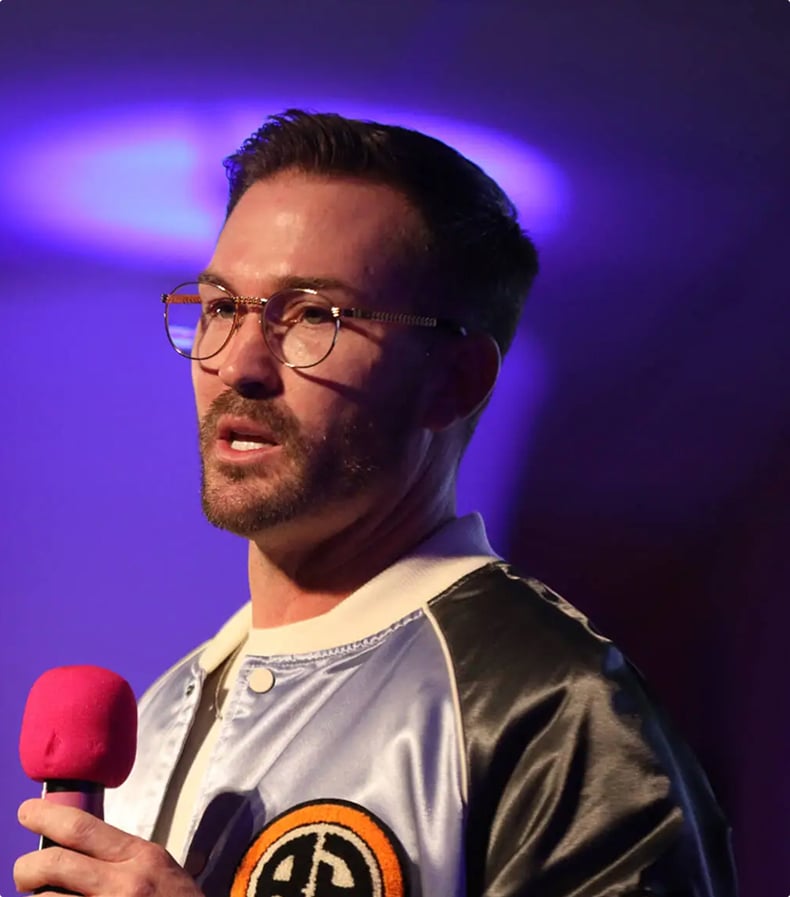
The thing audiences remember isn’t the credentials. It’s the honesty. Tony built his entire career on one belief: that real stories told with real vulnerability change people more than any program, policy or PowerPoint ever could.