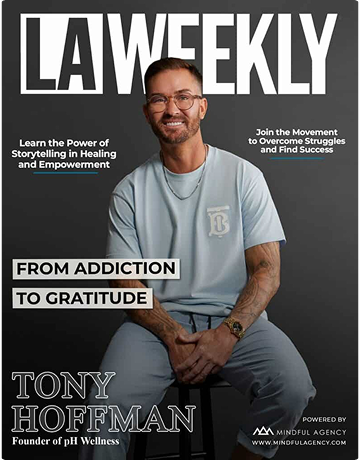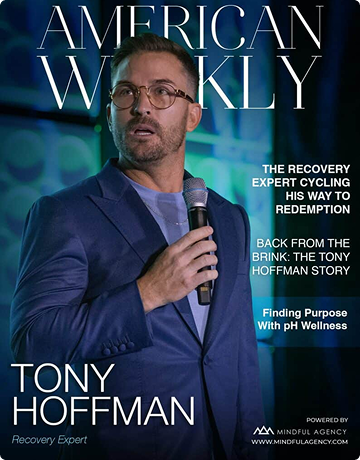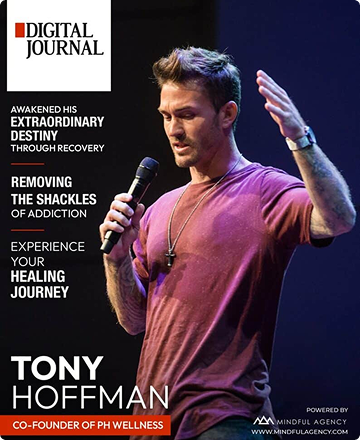
The demands placed on law enforcement today go far beyond traditional policing. Officers are expected to navigate mental health crises, lead under pressure, maintain their own well-being, and make split-second decisions that carry enormous consequences. Tony Hoffman speaks to law enforcement agencies on the topics that matter most in today’s climate; mental health awareness, resilience,…
Law Enforcement Groups Could Benefit from a Motivational Speaker
Police officers and law enforcement officers face demanding roles that require constant focus, emotional control, and quick decision-making during traumatic events and crisis situations.
A keynote speaker with lived experience can help officers learn strategies for resilience, communication, leadership, and officer safety while creating open dialogue around stress and mental health.
Departments across the country continue searching for essential tools that help leaders support teams dealing with the physiological impacts of policing and public safety work.
Topics tied to crisis management, leadership journey development, and supportive environment culture can have a significant impact on morale, trust, and long-term success within law enforcement agencies. Learn more about motivational speaking opportunities and how to book.
A Lived-Experience Law Enforcement Speaker
Finding the right law enforcement speaker is not an easy task. Public safety professionals have an incredibly refined detector for inauthenticity. They deal with crisis, trauma, and severe substance use every single day.
If a speaker stands on stage and offers sanitized clichés, officers will tune out immediately.
This is exactly why Tony Hoffman commands the room. His primary credential is his raw, unsanitized story of survival.
Tony started as a professional BMX rider. He had talent, drive, and a promising future. However, his life took a dark turn into severe methamphetamine addiction.
This addiction stripped away his career and his freedom.
He faced criminal charges.
He lost his home.
He ultimately served time in a central California prison.
Today, Tony uses this exact story to deliver powerful professional speaking services that deeply resonate with police officers.
Real Talk for Raw Experiences
Law enforcement professionals respect Tony because he does not speak in euphemisms. He does not sugarcoat the realities of drug use or the criminal justice system. He lived on the other side of the badge.
He experienced the handcuffs, the jail cells, and the profound despair of addiction. When he speaks to sheriffs and deputies, he bridges a massive gap.
He provides a rare window into the mind of someone caught in the cycle of crime and substance use.
The statistics surrounding police officers and trauma are staggering. First responders face a risk of substance use that is two to four times higher than that of the general public.
The daily exposure to human suffering causes severe chronic stress. Officers often live in a state of constant hypervigilance. This elevated adrenaline and cortisol can easily lead to self-medication.
Get in touch with America's #1 recovery and mental health speaker
Law Enforcement Trauma, Leadership, and Mental Wellness
Leadership in policing today requires a massive focus on mental wellness. Chiefs of police and command staff are actively searching for ways to protect their teams.
Standard training days often focus strictly on tactical skills or active shooter response protocols. Experts like Chris Bianez or Kyle Morgan cover those areas brilliantly.
However, psychological survival is just as important as physical survival. Tony Hoffman tailors his life lessons specifically to the mental health needs of first responders.
The most requested wellness topics for police departments include stress management, suicide prevention, and depression.
Tony addresses these exact issues through the lens of his own recovery. He brings a unique mental health speaker perspective that focuses on accountability and resilience.
Navigating Addiction and Substance Use in Policing
Tony uses his time in prison and his methamphetamine addiction to explain the reality of substance use. Officers interact with individuals facing addiction constantly. It can be exhausting and deeply frustrating. Tony helps officers process what they see on patrol.
He explains the brain chemistry of addiction in plain, lived-experience terms. This insight fosters a new level of empathy and tactical patience on the streets.
More importantly, Tony addresses the internal department struggles with alcohol. The culture of policing often demands emotional depersonalization. Authoritative structures and a fierce stigma against help-seeking can hinder constructive coping.
This environment fosters maladaptive responses. Studies show up to 30 percent of officers report recent binge drinking.
Tony is one of the best substance abuse speakers who confronts this reality directly. He explores the dangerous mental health and addiction link that destroys police careers.
He explains how alcohol is often used as a tool to manage intrusive memories and sleep disturbances. He does not judge. Instead, he offers a clear look at where that path leads.
While his approach helps many officers rethink their habits, individual recovery from trauma varies greatly. He never offers unsubstantiated guarantees. He simply provides the hard truth about choices and consequences.
Building Mental Toughness and a Survival Mindset
Tony also shares specific strategies for building true mental toughness. This goes far beyond just toughing it out or burying your feelings. Mental toughness requires profound self-awareness.
It requires the courage to face your own mental health challenges head-on. Tony connects the intense discipline he needed to return to professional BMX with the daily resilience required by public safety professionals.
Modern wellness initiatives strongly support this approach. The U.S. Department of Justice now emphasizes mental and physical health training tailored to law enforcement.
Programs like mindfulness-based resilience training are showing incredible results. These programs teach techniques for emotional regulation and focus under pressure.
Tony’s keynote reinforces these exact principles. He shows how emotional vulnerability is actually a tactical advantage.
Why Book Tony as a Speaker for Police Department Events
Booking the right speaker for a police department requires careful thought. Officers are highly skeptical of corporate wellness programs. Many traditional speakers focus on abstract theories.
They use corporate buzzwords that mean very little on a night shift. If you are looking for a speaker for police department events, you need someone who understands severe adversity.
Tony Hoffman provides that exact contrast.
Officers often reject traditional wellness programming because it lacks relevance. A recent report on wellness challenges for law enforcement personnel highlighted this exact issue. The report identified stigma and a lack of supportive culture as major barriers.
Corporate speakers often fail because they have never faced true, life-altering trauma. They cannot relate to the cumulative stress of law enforcement.
Tony’s raw authenticity cuts through this resistance. He does not stand behind a podium and read from a clinical slide deck. He paces the stage and speaks from the heart.
His background in prison gives him immediate credibility with sheriffs and deputies. He has seen the worst of the justice system. He has rebuilt his life from absolute zero.
Practical Benefits for Public Safety Teams
Bringing Tony Hoffman to your department provides deeply practical benefits. Proactive trauma interventions dramatically improve officer mental health and operational performance.
When you book Tony, you are investing in the long-term stability of your force. Departments with comprehensive wellness programs report a 23 percent reduction in sick leave usage. They also see a 19 percent improvement in retention rates.
Retaining a trained officer is far more economical than recruiting a new one.
Here are the specific, actionable outcomes your department can expect from Tony’s presentation:
- Improved peer-to-peer empathy: Officers gain a deeper understanding of addiction, allowing them to support struggling colleagues without judgment.
- Destigmatizing asking for help: Tony’s blunt honesty breaks down the tough-guy facade, making it acceptable to seek professional counseling.
- Recognizing signs of burnout: Teams learn to identify hypervigilance, sleep disturbances, and emotional numbing in themselves and others.
- Fostering healthier community engagement: Understanding the root causes of substance use helps officers interact more effectively with vulnerable populations on patrol.
- Better decision-making under stress: Proactive mental wellness directly enhances cognitive resilience and emotional regulation during critical incidents.
- Decreased organizational stress: Open conversations about trauma reduce workplace tension and improve overall shift morale.
These benefits are framed realistically. Tony’s talk is not an overnight cure for severe PTSD. It is a powerful catalyst for change.
Mindfulness and resilience training show small to moderate effect sizes for reducing trauma symptoms. Multimodal programs effectively improve general psychological health.
Tony’s keynote serves as the perfect launchpad for these larger departmental initiatives.
He gets the audience to buy into the concept of wellness.
Once the skepticism is gone, the real healing work can begin.
FAQ
Why are motivational speakers important for law enforcement conferences?
Motivational speakers help law enforcement conferences create open dialogue around the challenges officers face daily. Presentations centered on resilience, public safety, leadership, and crisis response can provide practical exercises and actionable insights that officers immediately relate to. Departments and agencies often bring in speakers to strengthen morale, improve communication, and support long-term officer wellness.
Can a mental health speaker help police officers?
Yes, a mental health speaker can help police officers address stress, trauma, burnout, and the physiological impacts tied to demanding roles in law enforcement. First responders and officers are often exposed to traumatic events that affect mindset, relationships, and overall well-being. Mental health-focused speaking events encourage officers to identify warning signs, seek support, and develop healthier coping strategies.
What makes Tony Hoffman an effective keynote speaker?
Tony Hoffman combines lived experience, leadership insight, and personal accountability in a way that connects with officers, leaders, and criminal justice organizations. His background involving addiction, recovery, public speaking, and overcoming adversity creates a message grounded in truth instead of theory. Audiences value his ability to discuss resilience, leadership, and mental health with honesty and a practical perspective.
Give Your Officers a Message That Sticks
Protecting the mental health of our police officers is just as important as providing them with the right tactical gear. The daily exposure to severe trauma and addiction carries a heavy cost, often leading to burnout, substance use, and deep emotional isolation.
Tony Hoffman offers a rare, unfiltered perspective that cuts through the standard corporate noise. His journey from a prison cell to global stages proves that profound recovery is possible, offering genuine, practical insights for the officers who walk the toughest beats.
If you are ready to bring a truly impactful message to your team, please contact Tony today.
Author

Pro BMX athlete. Recovering addict. Motivational speaker. Tony Hoffman has lived several lives, and now he shares all of them. Since his release from prison in 2008, Tony has become one of the most powerful voices in mental health and substance abuse awareness.
Sources
Office of Justice Programs. (January 1, 2004). Police Trauma and Addiction: Coping With the Dangers of the Job. Office of Justice Programs.
Aguirre, R. T. P., Bolton, K., Llaneza, E. M., & Kapitan, F. N. P. C. (2010). Patterns and predictors of alcohol use in male and female urban police officers. The Psychiatric Clinics of North America, 33(3), 511–525.
National Center for Biotechnology Information. (October 7, 2025). Peer Support Programs for First Responders: A Critical Review and Recommendations for Future Research. National Center for Biotechnology Information.
National Center for Biotechnology Information. (October 22, 2021). Here for My Peer: The Future of First Responder Mental Health. National Center for Biotechnology Information.
U.S. Department of Justice. (2024). Mental and Physical Health Training Tailored to Law Enforcement. Community Oriented Policing Services.
U.S. Department of Justice. (2018). Guide for Developing an Effective Stress Management Policy for Law Enforcement. Community Oriented Policing Services.
National Center for Biotechnology Information. (July 15, 2024). Strategies for Coping with Occupational Trauma: A Scoping Review of Police Officers. National Center for Biotechnology Information.
U.S. Department of Veterans Affairs. (September 25, 2018). Strategies: Police Self-Care. National Center for PTSD.
Centers for Disease Control and Prevention. (2008). Innovating Wellness Police Personnel Perspectives on Strategies to Improve Wellness Programs. Centers for Disease Control and Prevention.
U.S. Department of Justice. (June 2023). Wellness Challenges for Law Enforcement Personnel. U.S. Department of Justice.
Murray State University. (April 14, 2023). Leadership in Modern Policing. Murray State University.
U.S. Department of Justice. (1994). Law Enforcement Traumatic Stress: Clinical Syndromes and Psychological Responses. Office for Victims of Crime.
Substance Abuse and Mental Health Services Administration. (May 2018). First Responders: Behavioral Health Concerns, Emergency Response, and Trauma. Substance Abuse and Mental Health Services Administration.
Bureau of Justice Assistance. (2023). Training | PMHC Toolkit. Bureau of Justice Assistance.
National Center for Biotechnology Information. (April 15, 2022). The Moral Injury of Ineffective Police Leadership: A Perspective. National Center for Biotechnology Information.
Office of Justice Programs. (January 1, 2008). Effective Police Leadership: Experiences and Perspectives of Law Enforcement. Office of Justice Programs.
U.S. Department of Justice. (2009). Key Leadership Strategies to Enhance Communication. Community Oriented Policing Services.
Community Oriented Policing Services. (September 2023). The Struggle Well Program for Law Enforcement. Community Oriented Policing Services.
National Center for Biotechnology Information. (February 17, 2024). Mental Disorders and Mental Health Promotion in Police Officers. National Center for Biotechnology Information.
Bureau of Justice Assistance. (February 6, 2024). Employing Mental Health Clinicians to Improve Police Outcomes. Bureau of Justice Assistance.
National Center for Biotechnology Information. (April 28, 2021). Proactive psychological programs designed to mitigate posttraumatic stress injuries in police and public safety personnel. National Center for Biotechnology Information.
Concordia University St. Paul. (2024). Behind the Badge: Effects of Stress and Trauma in Policing. Concordia University St. Paul.
Illinois Criminal Justice Information Authority. (May 24, 2022). Understanding Police Officer Stress: A Review of the Literature. Illinois Criminal Justice Information Authority.
National Center for Biotechnology Information. (January 22, 2021). Trauma and Coping Strategies in Police Officers. National Center for Biotechnology Information.