How do we stop cyber bullying when it follows kids everywhere, from their phones to their classrooms?
Tony Hoffman knows, because he lived through the darkest version of it and came back to help others do the same.
Tony Hoffman was a professional BMX rider with big dreams, but early emotional scars and isolation pushed him into a cycle of meth use and prison before he found his way to recovery.
His story is a stark reminder of how deep pain, like the kind caused by cyberbullying, can quietly shape young lives in ways that linger or spiral.
Report Cyberbullying the Right Way
When cyberbullying occurs, most kids freeze, delete messages, or say nothing.
That is the wrong move.
Reporting cyberbullying early protects the victim and creates a paper trail.
Save screenshots of threatening messages, abusive messages, and hurtful comments before anything disappears.
Then bring that evidence to school administrators, a local law enforcement agency, or a motivational speaking professional who works directly with students and families on these issues.
What Is Cyberbullying? Understanding the Scope and Mental Health Impact
When communities ask how do we stop cyber bullying, they first need to understand the true scope of the problem.
Cyberbullying is not just a digital joke between kids.
It involves persistent digital abuse that causes real psychological trauma.
About 16 percent of high school students have personally experienced cyberbullying. That means one in six children faces digital harassment.
The problem exploded during the recent pandemic lockdowns. Studies show that bullying and hate speech increased by up to 70 percent during that time.
The mental health impact on victims is absolutely devastating. These young people face intense depression, severe anxiety, and crippling social isolation. Untreated anxiety creates a very dark reality for teenagers. This deep emotional pain provides fertile ground for numbing behaviors. Young people desperately look for a way to escape their digital reality.
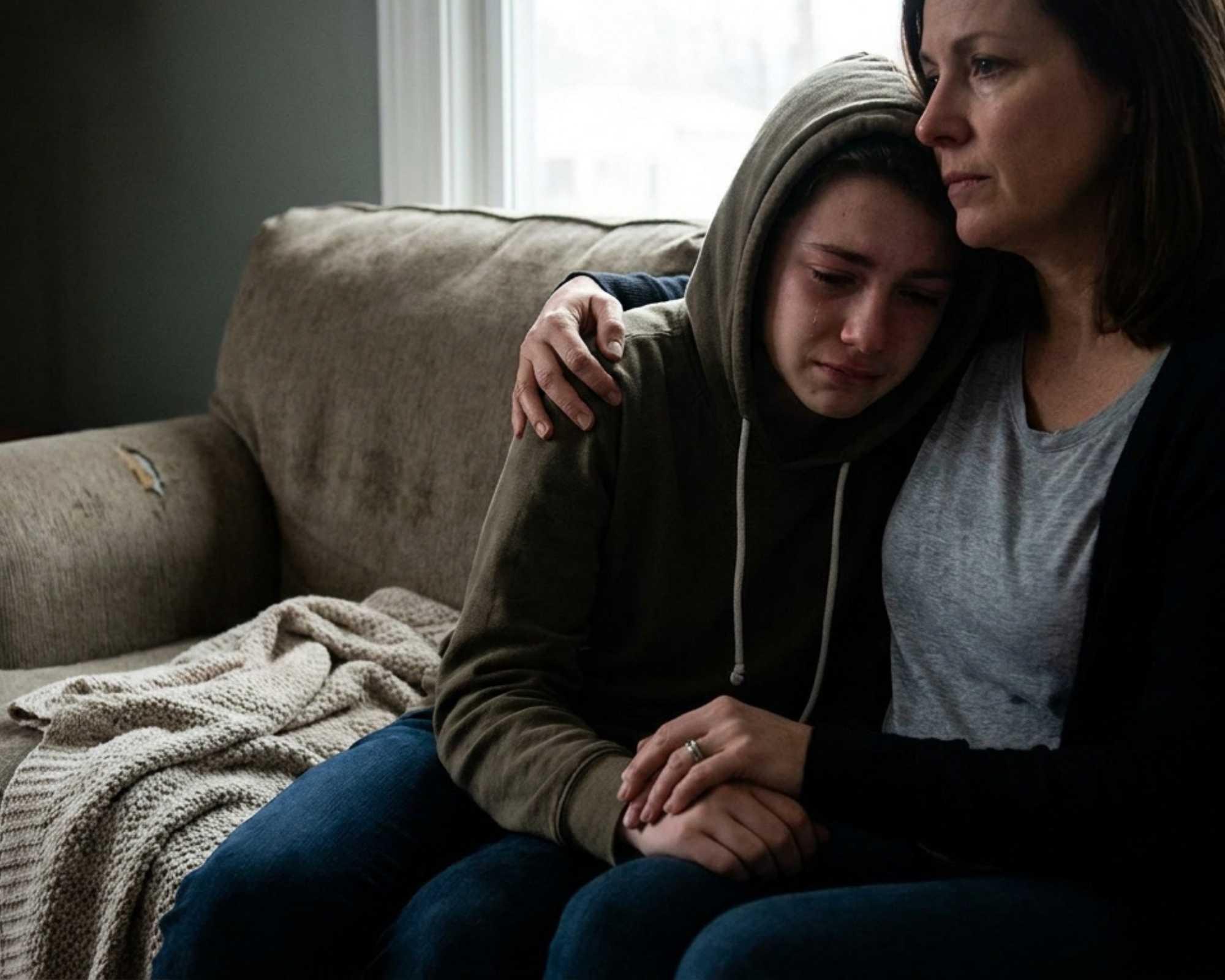
When a teenager feels trapped by online harassment, their self-esteem plummets. They begin to withdraw from physical relationships and school activities.
This social withdrawal compounds their feelings of loneliness. A person with a substance use disorder often starts their journey right here in this specific type of adolescent isolation. They reach for drugs or alcohol to mute the constant digital noise.
As a mental health speaker, Tony Hoffman understands how early emotional scars drive addiction.
The trauma of social media abuse pushes kids toward dangerous coping mechanisms.
The CDC clearly highlights the link between frequent social media use and bullying victimization.
We must acknowledge this deep pain to stop the cycle.
Cyberbullying Prevention Tips for Families
Cyberbullying prevention starts at home with honest communication. You cannot wait for a crisis to set digital rules.
Parents must create a shame-free environment where kids feel safe sharing their struggles.
Research shows that nearly 17 percent of targeted youth said telling their parents actually helped stop the harassment.
You can protect your child by building a practical digital safety checklist.
- Keep social media profiles set to private to limit exposure.
- Never share passwords with anyone except parents.
- Turn off location sharing to protect your physical safety.
- Utilize parental control programs to monitor screen time.
Many parents worry that monitoring devices shows a lack of trust. You should frame this monitoring differently.
It is not about control.
It is about creating a safe container for your child.
Think of it as preventative education for digital life. Open dialogues about digital citizenship build essential boundaries. Sit down with your teenager to co-create these rules. When teens help write the boundaries, they respect them more.
Setting Digital Boundaries
You need to teach teenagers how to lock down their personal information. Explain that everything online is permanent and public.
Once a photo or comment goes live, it leaves a lasting digital footprint.
Restricting access to social media apps helps reduce exposure to potential bullies.
Make sure every single account uses a unique password.
If digital abuse does happen, teach your child to preserve the evidence immediately. Implementing these teen emotional well-being strategies gives your family a solid defense.
Response Tactics if You Are Targeted in Online Bullying
When you are actively targeted online, you need immediate and practical cyberbullying solutions.
The most effective first step is the “Don’t Respond” rule.
Retaliation almost always fuels more bullying. Step away from your device immediately.
Trolls and bullies feed on your emotional reactions.
Non-engagement is proven to combat certain kinds of digital attacks. By refusing to reply, you cut off their power supply.
| Platform | Reporting Features | Blocking Capabilities |
|---|---|---|
| Meta (Facebook/Instagram) | Tap the three dots on a post or profile. Select “Report” and choose the harassment option. | Go to the user profile, tap the menu, and select “Block.” This prevents all future contact. |
| TikTok | Press and hold on a video or comment. Select “Report” and follow the prompts for bullying. | Navigate to their profile, tap the top right menu, and choose “Block.” They cannot see your content. |
| Snapchat | Press and hold a Snap or Story. Tap the flag icon to report the content for abuse. | Tap their Bitmoji, hit the three dots, and select “Manage Friendship” to find the block option. |
Reporting harassment is critical to stop online bullying.
Use the reporting features built into your social media apps.
However, before you block the person or delete the conversation, you must document everything.
Take screenshots of abusive messages immediately. Bullies often delete their posts to hide their tracks. You need this solid evidence to prove exactly what happened.
Documenting and Involving Authorities
Sometimes platform reporting tools simply are not enough to stop the abuse. You must know when to escalate a situation beyond the app.
Bring your evidence to trusted adults, school counselors, or teachers.
They can help navigate the school’s specific anti-bullying policies.
Anti Cyberbullying Strategies: How Bystanders Can Stand Together
Addressing digital abuse is not just an individual task.
It requires a massive collective effort.
Anti cyberbullying strategies only work when the broader community gets involved. When the culture of a social media space shifts, the behavior changes with it.
Students hold incredible power to become responsible digital citizens.
You do this by flatly refusing to share hurtful content. You must stand up for targeted peers instead of watching silently.
A major UCLA study explored the deep psychological barriers surrounding bystander intervention in cyberbullying. People hesitate because they feel anonymous or assume someone else will step in. We have to shatter that bystander effect.

Online Harassment, and How to Stop Cyberbullying
Cyberbullying involves text messages, fake accounts, embarrassing photos, offensive comments, and spreading rumors across social media apps.
It is not just name-calling.
It escalates fast.
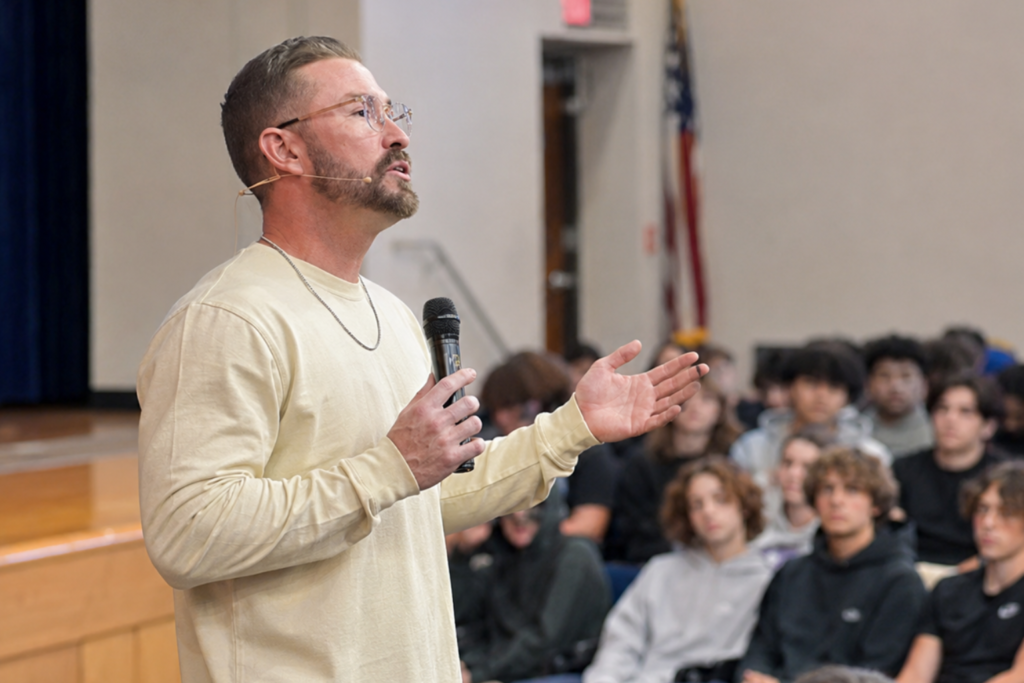
As a motivational speaker for schools, Tony talks directly to students about what bullying behavior looks like online, what cyberbullying occurs in real life, and what to do when someone is bullied online.
Youth Speaker on Bullying, Mental Health, and Real-Life Consequences
Online bullying does not stay online. It follows young people home, into their rooms, and onto every one of their electronic devices.
As a youth speaker, Tony connects with teens and kids on the ground level. He talks about negative feelings, stomach aches, mental health problems, and the pressure of staying silent.
Mental Health Speaker for Students Experiencing Cyberbullying
A mental health speaker who has been through addiction, loss, and rock bottom carries credibility that a textbook cannot.
Tony speaks to the connection between experiencing cyberbullying and mental health decline.
He talks about how a person online can weaponize phone numbers, a screen name, embarrassing information, and social media to isolate a target.
He covers how online platforms and technology companies have specific tools to report cyberbullying, how social media companies allow users to block other users, and how Facebook and other social media sites have reporting options.
Motivational Speaker for Schools: Prevention Over Reaction
Prevention is cheaper than damage control.
As a motivational speaker for schools, Tony works with school administrators, students, and parents to build a culture where kids feel comfortable talking.
He covers sexual harassment online, threats, and how threatening messages cross into criminal behavior.
He explains when to contact local police department versus when school staff can handle it, and when immediate danger means calling law enforcement directly. In extreme cases, cyberbullying involves federal charges, and Tony does not sugarcoat that for the audience.
Motivational Speakers for College Students: Bullying Does Not Stop at Graduation
College students deal with online harassment, fake accounts, abusive messages, and behavior that too many dismiss as drama.
As one of the most direct motivational speakers for college students, Tony brings the same punch to campuses that he brings to high schools.
He talks about other forms of cyberbullying that show up in dorms, group chats, and cell phones, and how to use social media apps, online platforms, and campus resources to report and stop it.
College is real life. The internet does not have a pause button.
Turning Pain from Cyberbullying into Purpose
Tony Hoffman knows exactly what deep isolation feels like.
His journey from addiction and prison to redemption carries a powerful message.
He understands the profound pain that cyberbullying victims carry every single day.
The trauma of feeling targeted and alone can quietly destroy a young life.
But Tony also proves that healing is absolutely possible.
Take the Next Step Against Cyberbullying
Cyberbullying, online bullying, mental health problems, and bullying behavior are not going away on their own.
But they can be addressed directly, with honesty, experience, and a message that actually lands.
Tony Hoffman has spoken to thousands of students, parents, teens, kids, and adults who are searching for real answers on how to prevent cyberbullying and stop cyberbullying before it causes lasting harm.
Ready to bring a speaker who has lived it? Contact us to book Tony for your next event, or call us directly at 888-707-3880 to get started today.
Sources
Centers for Disease Control and Prevention. (October 10, 2024). Frequent Social Media Use and Experiences with Bullying … – CDC. Centers for Disease Control and Prevention.
National Institutes of Health. (January 15, 2024). Cyberbullying and mental health: past, present and future – PMC – NIH. PubMed Central.
Brigham Young University. (April 20, 2021). Supporting Your Teen’s Autonomy – Forever Families. Brigham Young University.
North Carolina Department of Public Instruction. [PDF] Guide to Digital Citizenship for Students – Dpi.nc.gov. North Carolina Department of Public Instruction.
U.S. Department of Justice. [PDF] Law Enforcement and Cyberbullying Fact Sheet. Office of Justice Programs.
University of California, Los Angeles. (January 14, 2016). UCLA psychology study explains when and why bystanders intervene in cyberbullying. UCLA.
National Institutes of Health. (February 22, 2018). Peer-Based Social Media Features in Behavior Change Interventions. PubMed Central.
University of Texas at Austin. (January 8, 2026). Lived Experience Storytelling: Primer for Advocacy. University of Texas at Austin.
British Journal of Occupational Therapy. (January 24, 2020). Sharing stories of lived experience: A qualitative analysis of the …. SAGE Publications.
FAQ
How do we stop cyber bullying before it starts?
Prevention starts with education. When young people know what cyberbullying involves, how it spreads across social media sites and social media apps, and what the consequences look like, they are less likely to participate. Bringing a youth speaker or motivational speaker for schools into the building creates a shared language around the issue. That shared language is where change begins.
What should a student do when experiencing cyberbullying?
Do not delete anything. Save screenshots of abusive messages, threatening messages, hurtful comments, and offensive comments from cell phones and electronic devices. Then report the behavior to school administrators, a local law enforcement agency, or a local police department if the messages include threats or immediate danger.
Can social media companies help stop cyberbullying?
Yes. Social media companies and technology companies have tools built into their online platforms to block other users, report cyberbullying, and remove fake accounts. Facebook and other social media apps allow users to flag a screen name, report a person online, and submit evidence of online harassment or hate crimes. Using those tools is step one. Involving adults and, in extreme cases, law enforcement is step two.
How does cyberbullying affect mental health?
Kids who are bullied online often experience negative feelings, social withdrawal, stomach aches, and mental health problems that go unaddressed. The damage from in person bullying is visible. The damage from online bullying is often hidden because the person being targeted does not want to talk. A mental health speaker helps students, parents, and other adults recognize the signs and offer support before the situation becomes severe.
What specific laws exist around cyberbullying?
Specific laws vary by state, but in many instances, cyberbullying that involves sexual harassment, threats, or hate crimes can be prosecuted criminally. Spreading rumors, sharing embarrassing photos or embarrassing information, and sending threatening messages through text messages or social media may violate state statutes. In extreme cases, a local law enforcement agency or local police department will open a formal investigation, especially when behavior crosses from bullying into criminal territory.
Author

Pro BMX athlete. Recovering addict. Motivational speaker. Tony Hoffman has lived several lives, and now he shares all of them. Since his release from prison in 2008, Tony has become one of the most powerful voices in mental health and substance abuse awareness.